
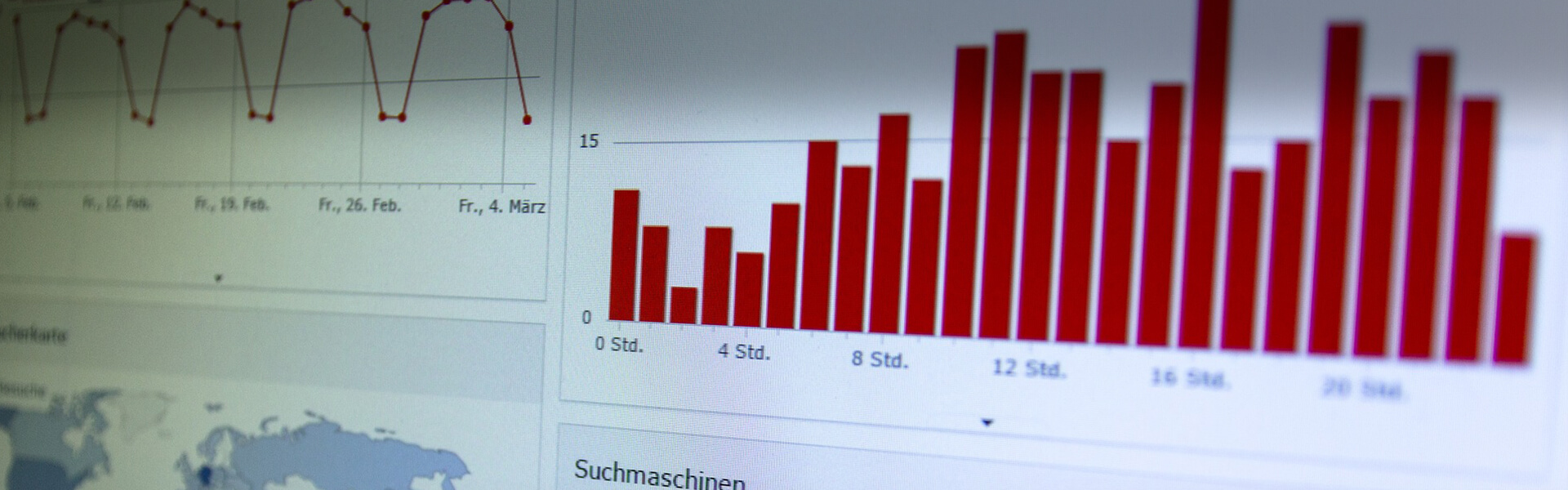
Understanding Usage Analytics
In design, analytics are tied to product usage, performance, marketing efforts, and design KPIs. Usage analytics is particularly useful for:
- Optimizing customer journeys and driving intended actions
- Improving task efficiency in user journeys
- Identifying bottlenecks and reducing friction
User actions—such as clicks, time spent, repeat visits, and task completion—act as indicators of behavior, preferences, and needs.
Usage Analytics and the Role of a Designer
Analytics highlight gaps in features and usability. They help answer questions such as:
- Are users engaging meaningfully or just browsing?
- What drives users to return?
- Are tasks easy to complete or causing drop-offs?
- Do users achieve their goals or abandon midway?
The researcher’s role is to interpret patterns, uncover underlying motivations, and assess how the product delivers value. Experienced analysts can infer intent by identifying behavioral trends in the data.
Key Steps and Metrics
- Define key questions before analyzing data to avoid overload and focus on relevant insights.
- Track metrics such as click rates, traffic sources, navigation paths, time spent, and drop-offs.
- Interpret patterns to explain behavior and recommend improvements aligned with user needs.
- Use insights to validate assumptions, identify UX issues, and guide design decisions.
Advantages of Usage Analytics
1. Large sample size
Enables analysis of extensive user data.
2. Time and cost efficient
Data collection and analysis are fast and often low-cost.
3. Reduced researcher bias
Users interact naturally without direct observation.
4. Wide applicability
Useful across stages to assess behavior, task success, and experience quality.
Challenges of Usage Analytics
1. Limited insight into intent
Requires expertise to infer motivations; missing data can limit conclusions.
2. Risk of assumptions
Interpretation may introduce bias if not validated.