
Dashboard Design in 2026: Do’s and Don’ts
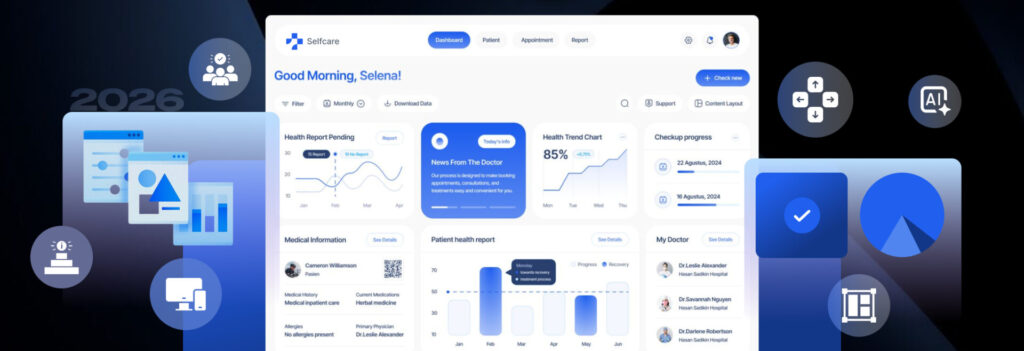
Dashboards sit in a strange place. They look simple—just some charts, numbers, and filters, but they often carry the weight of critical decisions in organizations across all scales. When dashboard design goes wrong, it doesn’t just look off; it leads to missed signals, misread data points, and bad calls. When it works, users quickly understand […]
When Generated UI Actually Works: A Designer’s Guide
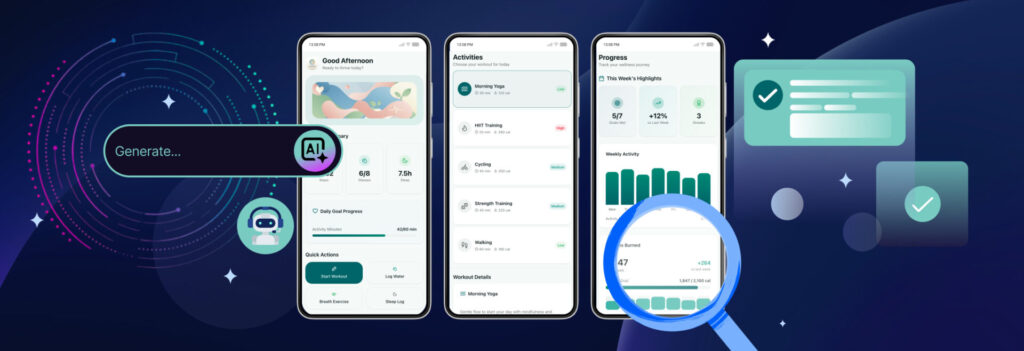
AI tools have changed how we approach the product design process across organizations. Type a text prompt, and within seconds, you get wireframes and layouts, UI elements, and sometimes entire screens. But here’s the question that matters: when is generated ui actually worth embedding into your product? The answer isn’t simple. AI-generated interfaces are fast, […]
7 Design Trends in 2026 That Actually Matter
Design in 2026 sits at an interesting crossroads. We’re no longer debating whether digital design matters to business outcomes—that argument is settled. The conversation now is about how visual design can keep up with a world where AI generates layouts in seconds, users live simultaneously across devices, and brand identities are expected to feel real […]
How CX Strategy Shapes Brand Perception & Drives Adoption
For decades, “branding” was largely a promise made by organizations worldwide; a story told through ads, taglines, and billboards. The formula was straightforward: promise value, and customers will follow. As we enter 2026, that formula is obsolete. Something fundamental has shifted in how modern brands compete. Products still matter. Pricing still matters. Technology absolutely matters. […]
SaaS Onboarding Design: How Day 1 Predicts Retention

For SaaS products and the environments they are utilized in, velocity is everything. Products evolve rapidly, new competitors emerge every year, and customer expectations shift before they even hit the markets. Yet amid this flux, one truth has become inescapable: your user’s first experience inside the product defines your next six months of engagement, retention, […]
Preparing for the Next UI UX Paradigm Shift: Human–AI Systems

For over a decade, mobile design has been the dominant paradigm of digital interaction. From using only responsive grids to designing IAs according to thumb zones for efficiency, from leveraging infinite scrolls to using engaging micro-interactions, mobile-first design frameworks took the world by storm, defining not just how users experience the digital world, but also […]
The 3 Second Rule That Impacts Conversion Rates

Every detail of a user journey in an e-commerce product matters, but none more so than the checkout. You can drop the biggest lead magnets for acquisition, build the most engaging product pages, provide users with compelling offers, and even drive users all the way to the cart. Yet if checkout feels clunky, trust in […]
Balancing UX with Regulatory Compliance in Fintech Design

The financial services industry has entered a decisive moment. In 2025, financial institutions aren’t just competing on interest rates, product features, or accessibility. They are competing on building experiences that move the industry. And in finance, experience must coexist with compliance. For industry leaders and other players in the fintech and banking market, compliance isn’t […]
Ego-system vs Eco-system: A Systems Thinking Perspective
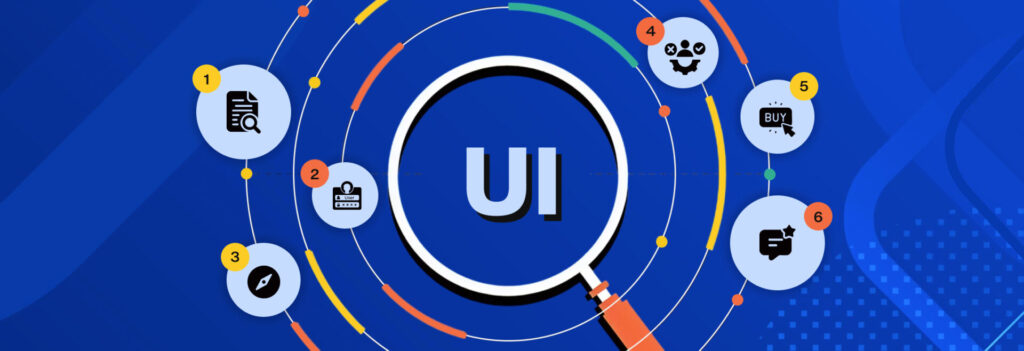
At its crux, UI/UX design has always been about creating experiences—digital or otherwise—for people. But too often, design still slips into what can be called an ego-system mindset, a mode where design or product decisions are made based on organizational requirements, stakeholder opinions, and the likes, rather than the broader ecosystem of users, technology, and […]
What Makes Us Great at Designing for Social Good?
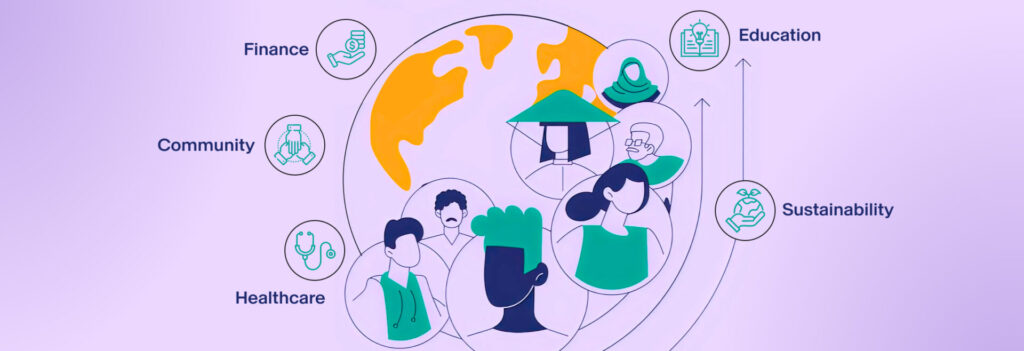
UI/UX design, at its best, is not just about creating beautiful interfaces or friction-free user journeys, working toward an end goal for users. It’s about shaping lives through digital products. At Think Design, we believe that design carries the power to drive meaningful change, especially when applied to causes that touch society’s most pressing challenges—education, […]