This dark pattern uses manipulative language and emotionally-charged design tactics to shame or guilt users from cancelling or unsubscribing a service.
How this pattern gets its name?
The pattern gets its name from the kind of feeling it leaves the users with after they’ve read a message or statement. This dark pattern tries to make users feel like they are doing a disservice to humanity or simply make them feel like they are bad people.
Stuti Mazumdar & Symran Bhue - April 2022

How to identify this pattern?
This dark pattern is of the deceptive type. The metric being prioritised is conversion or retention. Guilt shaming or confirm shaming is easy to identify by paying close attention to the tone of voice in the statements or messages displayed when one is trying to discontinue the use of a service, product or subscription as well as how one feels at the end of reading those statements. If you feel guilty or hesitant after reading a confirmation message, congratulations! You’ve just identified the ‘ConfirmShaming’ dark pattern.
Examples
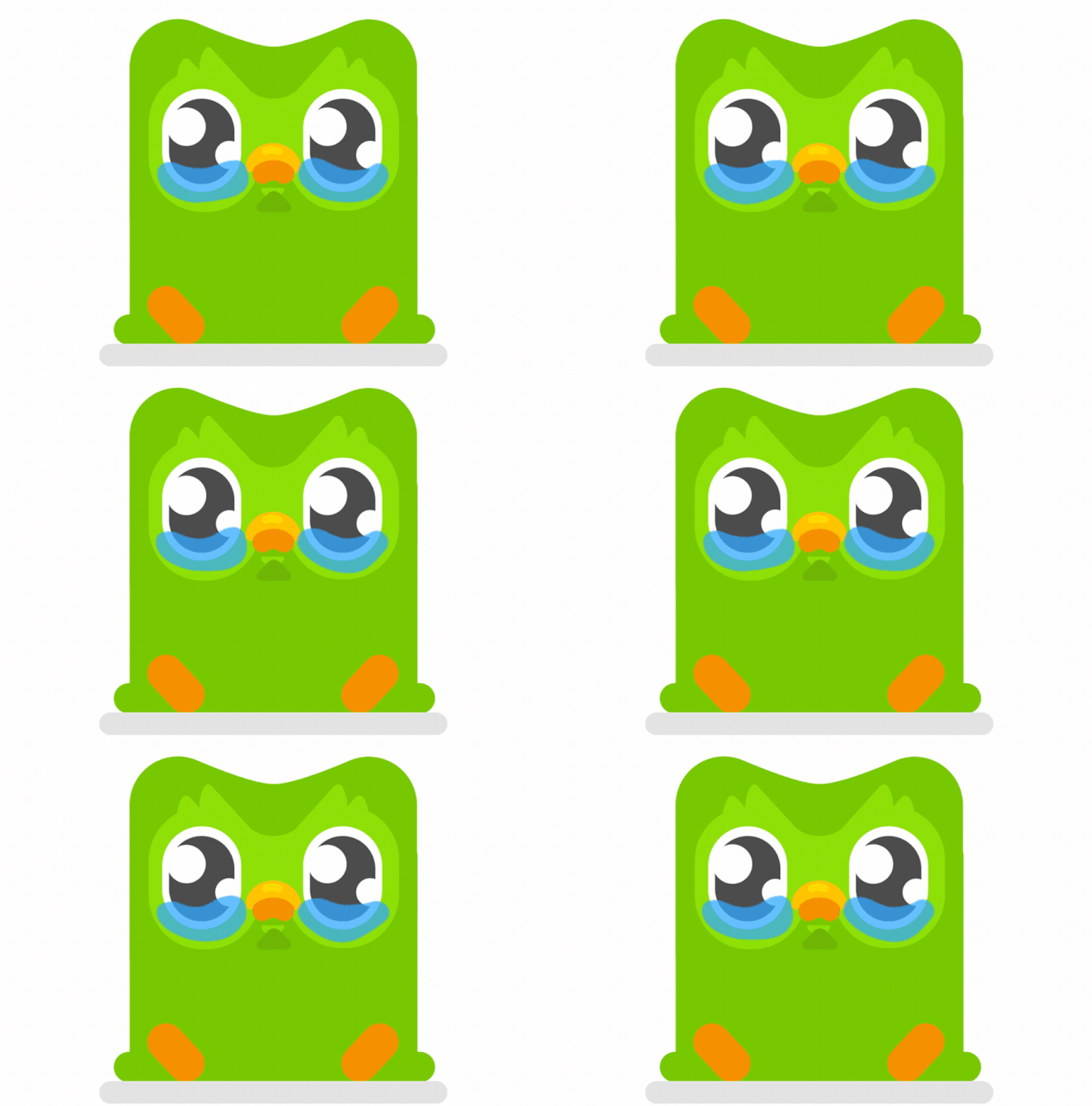
In 2018, Duolingo redesigned its mascot – the language bird named Duo. Duo is now designed more emotionally charged than ever to create relatability and also empathy/attachment by the subscribers of the app.
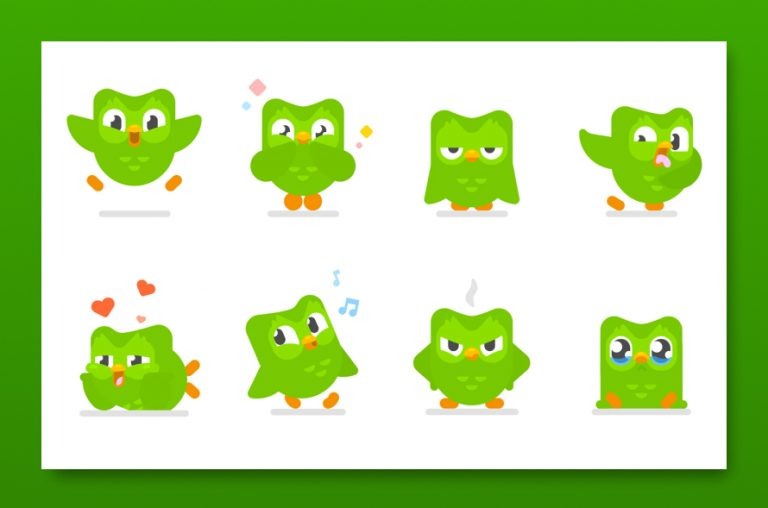
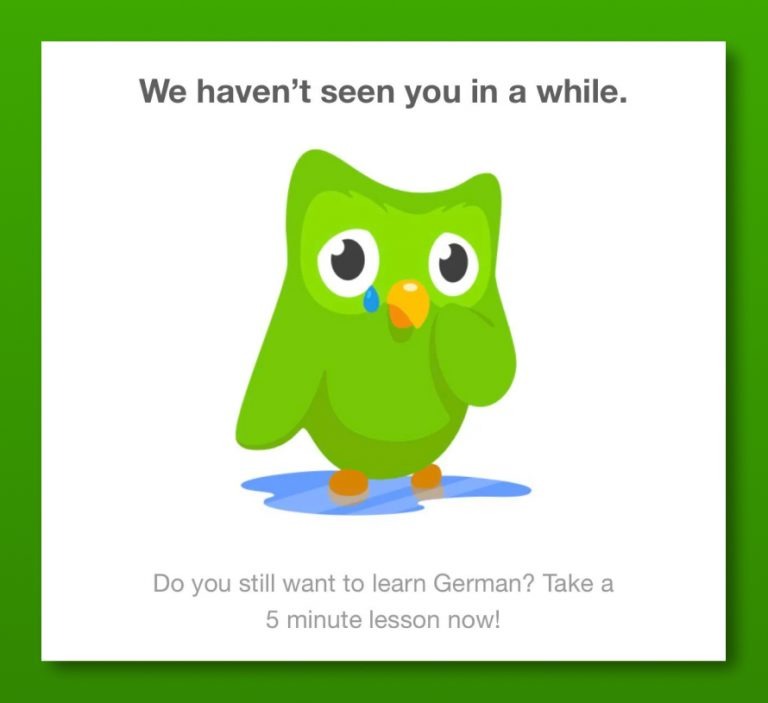
You won’t experience the very emotional Duo only on the app; Duo will shed a precisely calculated no. of tears in your inbox if you happen to miss a week’s worth of language lessons. If that doesn’t guilt you into signing in for your next Italian lesson, then good luck with dealing with that lingering feeling of heartlessness that Duo has been designed to instigate.
2016
2018
How to make it an ethical design pattern?
The reason ‘confirm shaming’ is practised is its effectiveness. Research can be empowering for the designers but employing the insights in an ethical manner where a user is clearly provided with an opt-out is equally important. Confirm shaming can also be seen as a form of emotional bullying – which skews towards an overall negative interpretation. Designers can, therefore, choose to design for more positive emotions.